Why AI-native teams need a 'context layer'
4 min read

If you re-explain everything to AI every time
You have probably re-typed the same background every time you ask AI to do something. “Our product does this, last week we decided that, this feature ties into that code…” Every new chat starts over from zero.
Once or twice is fine. But when you copy the same context over and over, you end up spending more time explaining the background than doing the actual work.
The problem isn't the AI — it's scattered context
It isn't that the model is weak. The real problem is that your team's context doesn't live in one place. The important background sits in docs, the actual decisions happen in chat and meetings, and the reason something changed is buried in a code review.
People hit the same wall. When a new teammate asks “why is it built this way?”, finding the answer means digging across several tools. When context is scattered, people and AI both have to start from scratch.
A context layer is shared memory that people and AI read together
Specify gathers this scattered context — docs, conversations, decisions, code — into one workspace. There isn't one version for people and another for the AI. They read the same material the same way.
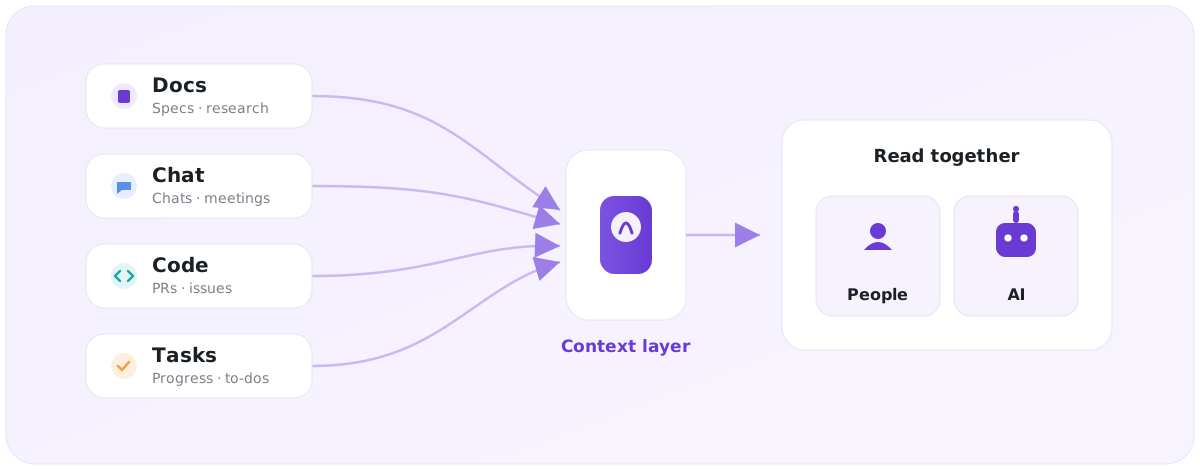
Context that used to be scattered across docs, chats, code and tasks comes together in one layer that people and AI read the same way.
- When you write a doc, it becomes shared material your team and the AI both see
- Connect tools like Notion, Slack and GitHub and their context comes along too
- On top of context that's already organized, an AI teammate starts the next task right away
Context you gather once gets reused again and again
The real value of a context layer is that you gather it once and keep using it. There's no need to re-explain the same background, so the next task always starts where the last one ended.
It's the same for new hires. You don't have to assemble scattered material for them — the decisions and the reasoning behind them are already in one place.
Explain less, ship faster
When context is gathered, you don't reset every time. To hand off a new task, you skip the long backstory and just say what you want done.
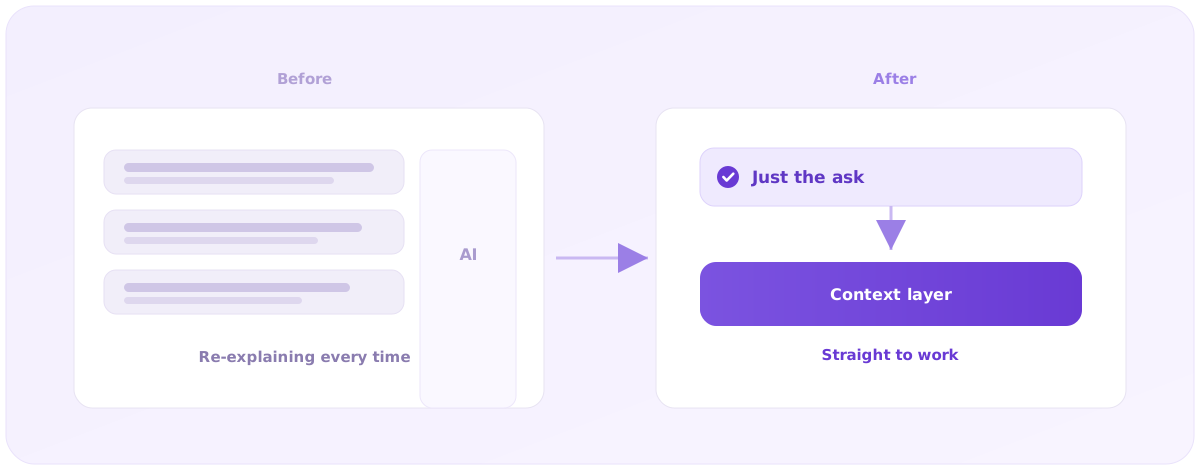
Where every chat used to begin with re-explaining the background, work now starts straight from “here's what I need” on top of the context layer.
Where the repeated explaining used to be, the real work remains. That's why AI-native teams build a context layer first.

